
The Protein Lifestyle: How Much You Really Need by Age and Goal
Protein is the 2026 nutrition obsession for good reason. Here is the evidence-based amount you need, and where to get it.
Medically reviewed by Marcus Lindqvist, PharmD
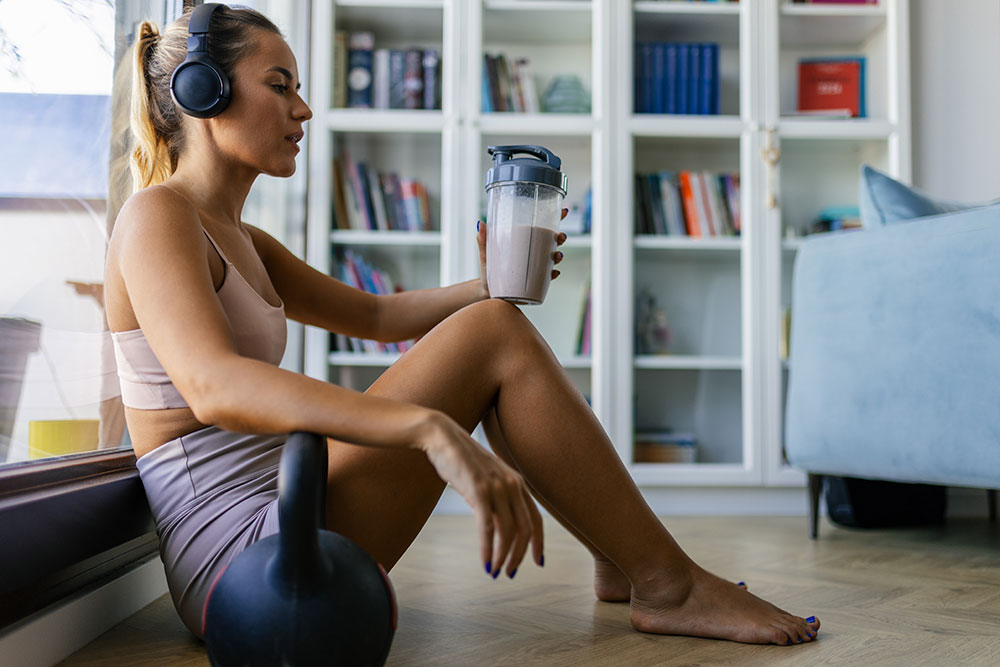
Protein went from gym bros to mainstream in 2026. The "pro-protein lifestyle" is everywhere, but the right amount depends on your age, goal, and training.
Key Takeaways
- General adults need about 0.8 g/kg, but active and older adults benefit from 1.2-1.6 g/kg (ISSN, 2025).
- Spreading intake across meals improves absorption and satiety.
- Whole-food sources beat relying on powders alone.
How Much Protein Do Most Adults Need?
Sedentary adults meet needs at roughly 0.8 g/kg (National Academies, 2025). But that floor is for survival, not optimization. People who train, age, or diet need more to preserve muscle.
Why Do Older Adults Need More?
After 50, muscle synthesis responds weakly to protein, a phenomenon called anabolic resistance (aging research, 2025). Bumping to 1.2-1.6 g/kg counters that decline. See our strength training for seniors.
Citation capsule: Sports-nutrition bodies recommend 1.2-1.6 g/kg of protein daily for active adults and older populations to preserve lean mass, well above the 0.8 g/kg sedentary floor (ISSN, 2025).
What Are the Best Sources?
Eggs, dairy, fish, legumes, and soy cover most needs (dietary guidelines, 2025). Pair a leucine-rich source at each meal to trigger muscle synthesis. Powders help busy days but should not be the only plan.
Frequently Asked Questions
Can too much protein hurt your kidneys?
For healthy people, high protein is not shown to damage kidneys (NIH, 2025). Those with existing disease should follow clinician limits.
Is plant protein as good as animal?
Yes, if varied. Combining legumes, grains, and soy covers amino acids (dietary guidance, 2025).
When should I eat protein around workouts?
Total daily intake matters more than timing, but 20-40 g near training helps recovery (ISSN, 2025).
Conclusion
Protein is worth the hype, but the dose is personal. Aim for 1.2-1.6 g/kg if you are active or older, spread it across the day, and let whole foods lead.
Related in Dietary Trends
More from the same topic to keep reading.