
GLP-1 Medications: What They Do, Who They Help, and the 2026 Evidence
GLP-1 receptor agonists treat diabetes, obesity, and cardiovascular risk. We break down how semaglutide and tirzepatide work, who benefits, what they cost, and what the 2026 evidence shows about muscle loss.
Medically reviewed by Dr. Helena Voss, PharmD
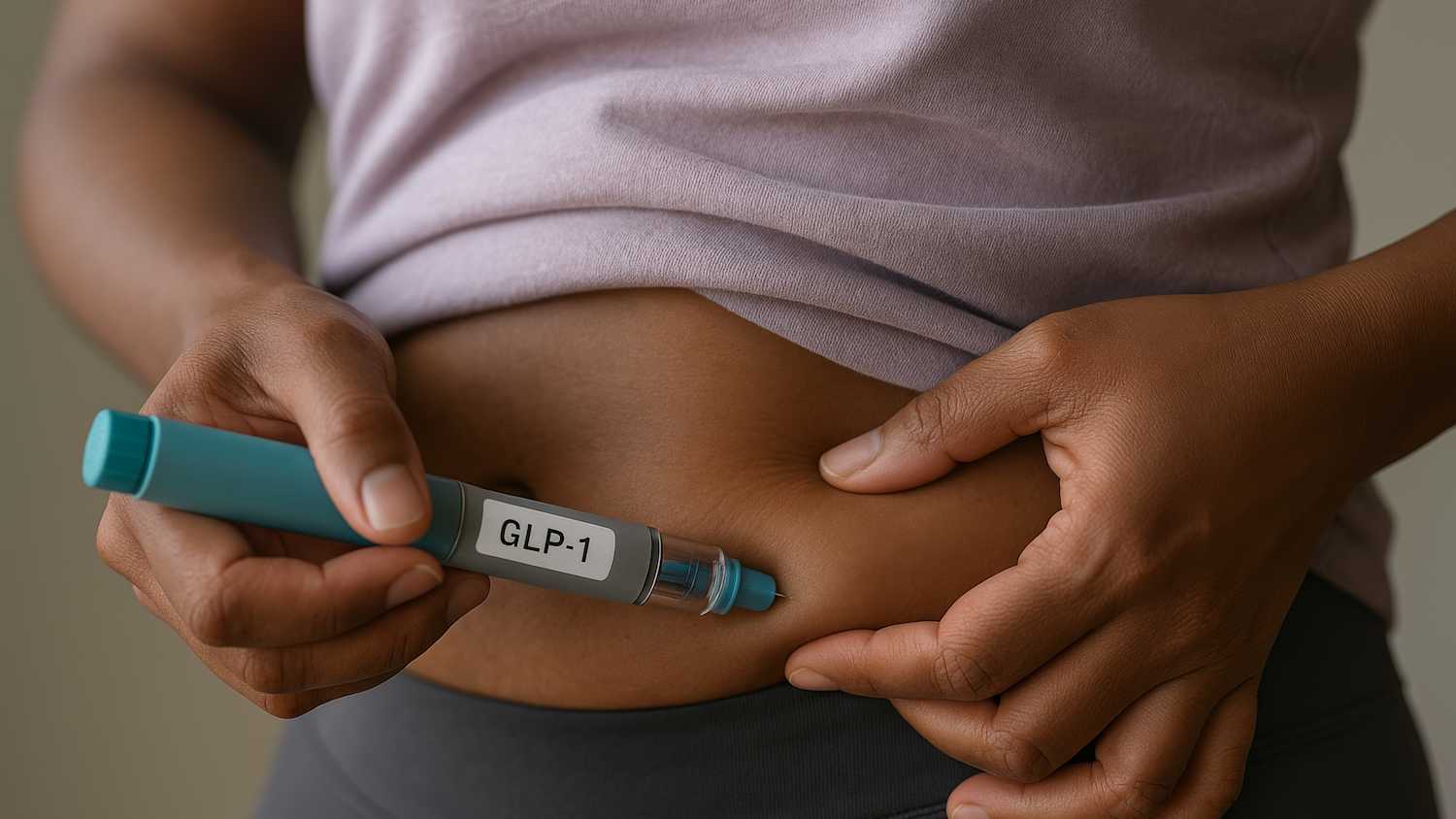
GLP-1 receptor agonists started life as diabetes drugs. In 2026 they sit at the center of metabolic, weight, and even cardiovascular care. This guide explains what they are, who they help, how the two leading drugs compare, what treatment costs, and where the evidence stands.
Key Definition: GLP-1 receptor agonists are injectable medications that mimic the gut hormone glucagon-like peptide-1, reducing appetite and improving blood sugar through slower gastric emptying, hypothalamic satiety signaling, and glucose-dependent insulin release.
Key Takeaways
- In head-to-head trials, GLP-1 users lost 15-20% of body weight, a range once reachable only through bariatric surgery (Yahoo Health, 2025).
- New cardiorenal data pushed these drugs toward earlier, broader use beyond glycemic control.
- Muscle preservation, not just weight loss, is the 2026 research priority — roughly a quarter of lost weight can come from lean tissue without resistance training and adequate protein.
- Semaglutide and tirzepatide are not interchangeable: a 2025 head-to-head trial found tirzepatide produced about 47% more weight loss than semaglutide.
What Are GLP-1 Medications and How Do They Work?
GLP-1 drugs mimic a gut hormone — glucagon-like peptide-1 — that your intestines release after eating. Natural GLP-1 has a half-life of just 1-2 minutes before enzymes break it down. The medications are engineered analogs with dramatically longer activity: liraglutide lasts about a day, while semaglutide and tirzepatide stay active for a full week (American Diabetes Association, 2025).
They work through several coordinated mechanisms (American Diabetes Association, 2025):
- Slow gastric emptying, so you feel full sooner and stay full longer.
- Signal satiety to the brain's hypothalamus, lowering appetite.
- Nudge insulin release in a glucose-dependent way, improving blood sugar without the spikes that drive cravings.
Weekly injections like semaglutide and tirzepatide extend that signal from hours to days. The result is lower appetite and steadier blood glucose.
Semaglutide vs Tirzepatide: How the Two Leading Drugs Compare
Most GLP-1 prescriptions in 2026 are semaglutide (Ozempic, Wegovy) or tirzepatide (Mounjaro, Zepbound). They are not the same molecule, and the data show meaningful differences.
Key Stat: A 2025 head-to-head trial found tirzepatide produced about 47% more weight loss than semaglutide over 72 weeks (SURMOUNT-5, 2025).
| Feature | Semaglutide | Tirzepatide |
|---|---|---|
| Mechanism | GLP-1 receptor agonist | Dual GLP-1 + GIP receptor agonist |
| Brand names | Ozempic, Wegovy, Rybelsus (oral) | Mounjaro, Zepbound |
| Typical dosing | 0.25-2.4 mg weekly (injectable) | 2.5-15 mg weekly |
| Mean weight loss | ~15-17% of body weight at 68 weeks (STEP-1, NEJM) | ~20-22% at 72 weeks (SURMOUNT-1, NEJM) |
| Head-to-head | — | ~47% greater weight loss than semaglutide over 72 weeks (SURMOUNT-5, 2025) |
| Cardiovascular data | Reduced major adverse events in adults with obesity, independent of diabetes (NEJM, 2025) | Similar cardiorenal signal; actively studied |
The takeaway: both are effective, but tirzepatide's dual mechanism produces greater average weight loss, including in a direct comparison. Individual response varies, and the right choice depends on tolerance, access, and clinical history — not just the numbers.
Who Actually Benefits From GLP-1 Therapy in 2026?
In 2026, eligibility hinges on risk trajectories, not a single lab value. People with obesity, type 2 diabetes, or high cardiovascular risk see the clearest benefit (American Heart Association, 2025). A growing body of research also points to midlife women and those with metabolic syndrome. For a closer look at muscle preservation, see our GLP-1 and muscle loss guide.
What Does the Cardiovascular Evidence Show?
Recent trials found meaningful drops in major adverse cardiovascular events, independent of diabetes status (NEJM, 2025). That reframing matters: clinicians now weigh organ protection, not just weight. The practical takeaway is that metabolic care is a longitudinal, multi-system conversation.
Titration and Dosing: Why the Dose Ramps Up
These drugs are started low and increased gradually — usually over 16-20 weeks — to let the gut adapt and limit nausea. Skipping or rushing the ramp is the most common reason people stop early. Because response differs, dosing is individualized by the prescriber rather than set to a fixed target.
What Are the Real Risks and Side Effects?
Most side effects are gastrointestinal: nausea, slow digestion, and occasional vomiting, especially during dose escalation (FDA labeling, 2025). The bigger 2026 question is muscle. Rapid weight loss can shed lean tissue — often about 25% of total weight lost, and more than 40% at higher doses without resistance training (ADA 2026). That is why clinicians now pair these drugs with protein targets of roughly 1.2-1.6 g per kg of body weight per day and a resistance-training plan to protect lean mass.
Cost, Access, and Insurance in 2026
Coverage varies sharply by plan and indication. Weight-loss-only use is often excluded, while diabetes or cardiovascular indications are more likely approved (KFF, 2025). List prices for brand-name weekly injections run into the hundreds of dollars per month before manufacturer savings programs, and compounded supplies have tightened after the 2025 shortage resolved. Practical steps that improve access: confirm your plan's formulary, pursue a prior authorization framed around an approved indication, and ask about manufacturer copay support.
Who Should Not Take GLP-1 Medications
These are prescription drugs with real contraindications. They are generally avoided in people with a personal history of medullary thyroid carcinoma or multiple endocrine neoplasia syndrome type 2, during pregnancy, and in those with severe gastrointestinal disease or a history of pancreatitis without clinician clearance. They are not a substitute for supervised care in eating-disorder recovery. This list is not exhaustive — a qualified clinician should confirm suitability based on your full history.
What's Next: The 2026 Pipeline
The class is expanding fast. Oral small-molecule agonists such as orforglipron are reaching the market, and triple-agency candidates like retatrutide are in late-phase trials, with regulatory filings expected by late 2026. Muscle preservation is the research priority: trials of myostatin inhibitors and supervised training suggest lean-mass loss can be blunted, which matters for long-term metabolic health.
Cluster: This is the hub post for our GLP-1 and incretin therapy cluster. For detailed coverage of specific concerns, see our guides on muscle loss on GLP-1s, hair shedding, constipation relief, fatigue and brain fog, weight plateau breaks, Ozempic face and loose skin, berberine versus GLP-1s, and PCOS and metformin versus GLP-1s.
Frequently Asked Questions
Are GLP-1 drugs safe for long-term use?
Current labels support ongoing use under clinician supervision, with the longest trials now spanning several years (FDA, 2025). Most data shows manageable GI side effects; the open question is lean-mass retention over time.
Will insurance cover GLP-1 medications?
Weight-loss-only use is often excluded by insurance, while diabetes or cardiovascular indications are more likely approved (KFF, 2025). Confirm your plan's formulary and pursue prior authorization for an approved indication to improve coverage odds.
Can you stop taking them without regaining weight?
Studies show weight often returns after stopping, which is why many clinicians frame these as long-term management rather than a short course (Yahoo Health, 2025). Sustainable lifestyle habits are the strongest buffer against regain.
Who should avoid GLP-1 medications?
Generally avoided in people with a history of medullary thyroid carcinoma or MEN-2, during pregnancy, and with severe GI disease or prior pancreatitis without clearance. Confirm suitability with a clinician.
How much do GLP-1 drugs cost in 2026?
Brand-name weekly injections often run hundreds of dollars per month before savings programs; coverage depends on plan and indication (KFF, 2025). Manufacturer copay support and prior authorization for an approved indication improve access.
Conclusion
GLP-1 therapy is no longer a niche diabetes tool. It is a metabolic platform with cardiovascular upside and real trade-offs. Talk to a clinician about whether your risk profile fits, protect your muscle while you use it, and weigh semaglutide against tirzepatide with the evidence above rather than the headline numbers alone. For the bigger longevity picture, see our guides on protein needs, strength training, and midlife metabolic health.
Related in Preventative Health & Longevity
More from the same topic to keep reading.
Why Your Prostate Medication Stopped Working After Years, and What Comes Next in 2026
Preventative Health & Longevity · 8 min read
Why Medicare's $50 GLP-1 Program Won't Cover the Patients Who Need It Most
Preventative Health & Longevity · 8 min read
The Fatigue Your Standard Blood Test Misses: Iron Deficiency Without Anemia
Preventative Health & Longevity · 3 min read
Also tagged glp-1 & incretins
Cross-topic reads sharing key terms with this article.