
Why Is 'Ozempic Face' Real, and What Can You Actually Do About Loose Skin?
Rapid GLP-1 weight loss can leave loose skin. Here is what 2025-2026 evidence says about why it happens and what genuinely helps.
Medically reviewed by Marcus Lindqvist, PharmD
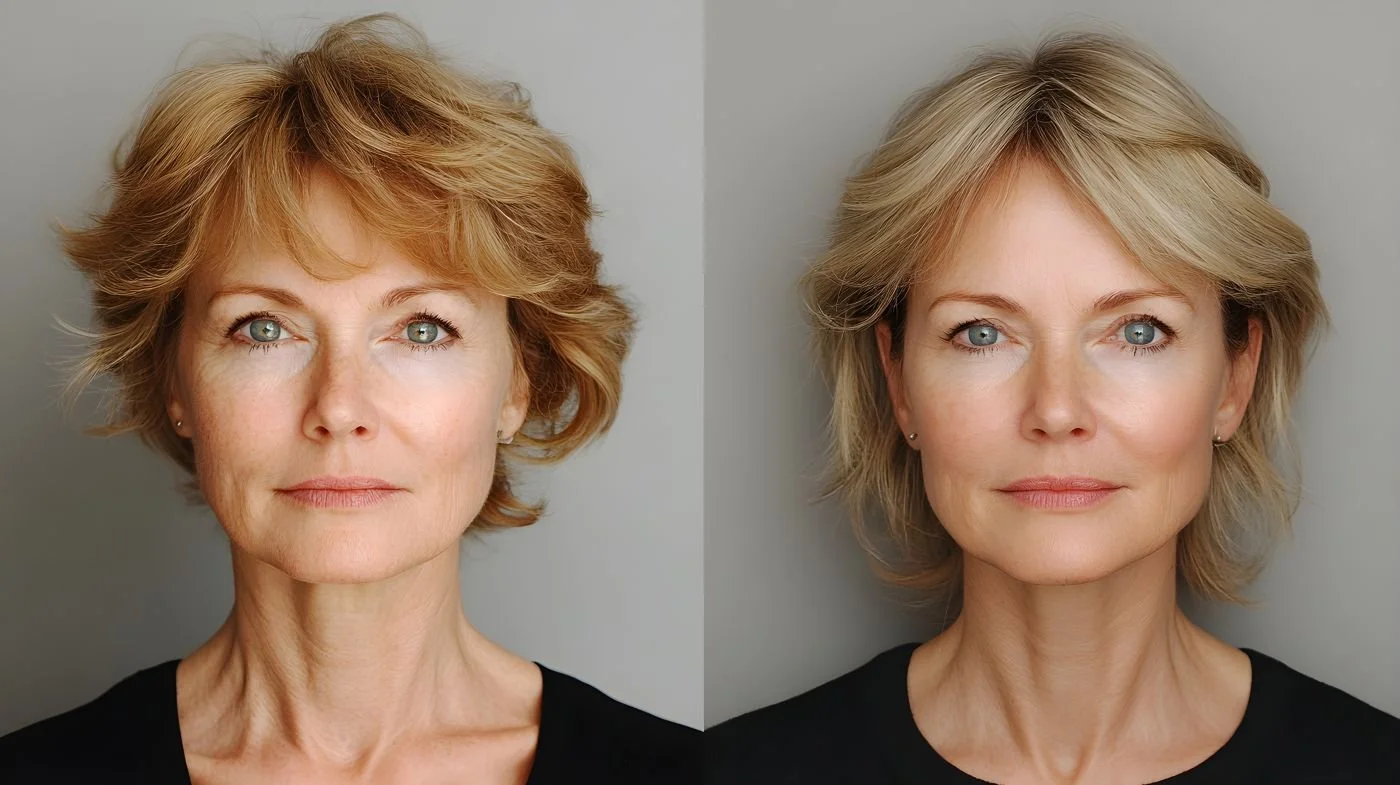
"Ozempic face" and "Ozempic vulva" are now common Reddit terms. People are thrilled by the weight loss but blindsided by how their skin looks and feels afterward.
Key Takeaways
- Loose skin is driven by the speed and total amount of weight lost, plus age and genetics (dermatology research, 2025).
- Resistance training and adequate protein support the tissue underneath the skin.
- Time, hydration, and moisturizing help mild cases; severe cases may need a specialist.
Why Does Skin Loosen After GLP-1 Weight Loss?
In 2026, dermatologists explain loose skin as a consequence of fast fat loss outpacing the skin's elastic recoil, especially after large losses (dermatology research, 2025). Skin that stretched over years cannot fully shrink in months, so redundancy appears.
Does the Drug Itself Change Skin Texture?
The medication is not directly reshaping tissue; the weight change is (clinical commentary, 2025). Rapid loss concentrates the effect on the face, abdomen, and genital-area fat pads. See our perimenopause skin changes guide for hormone-linked skin shifts.
Citation capsule: Dermatology reviews note that skin laxity after major weight loss correlates with the rate of loss and total pounds dropped, with older adults and those losing over 100 pounds most affected, since collagen remodeling slows with age.
What Can You Actually Do About It?
Build muscle with resistance training and keep protein near 1.2-1.6 g/kg (sports-nutrition guidance, 2025). Moisturizing and sun protection preserve skin quality, while hydration supports turgor. Patience matters: skin keeps tightening for up to two years.
When Should You See a Specialist?
Painful chafing, rashes, or deep folds that affect hygiene warrant a clinician or dermatologist (clinical guidance, 2025). Procedures exist, but most people improve with time and training first.
Frequently Asked Questions
Will loose skin tighten back up?
Often, yes, gradually. Mild laxity improves over 12-24 months with training and time (dermatology research, 2025).
Does collagen help?
Collagen supplements show modest skin-quality signals but will not erase redundant skin alone (nutrition research, 2025).
Is "Ozempic vulva" real?
It describes fat-pad loss in the vaginal area from rapid weight loss, not a drug action (clinical commentary, 2025).
Conclusion
Loose skin is a normal trade for major weight loss, not a defect. Train, eat protein, moisturize, and give it time. For severe or uncomfortable cases, a clinician can map real options.
Cluster: This article belongs to our GLP-1 and incretin therapy cluster. For the broad overview, see our GLP-1 medications 2026 hub. For related concerns, explore muscle loss on GLP-1s, hair shedding, constipation relief, fatigue and brain fog, and weight plateau breaks.
Related in Dietary Trends
More from the same topic to keep reading.
Also tagged glp-1 & skin
Cross-topic reads sharing key terms with this article.