
Microplastics in the Body: What's Known and What You Can Do
Microplastics are now found in blood, lungs, and placenta. We separate confirmed harm from hype and list practical reductions.
Medically reviewed by Dr. Helena Voss, PharmD
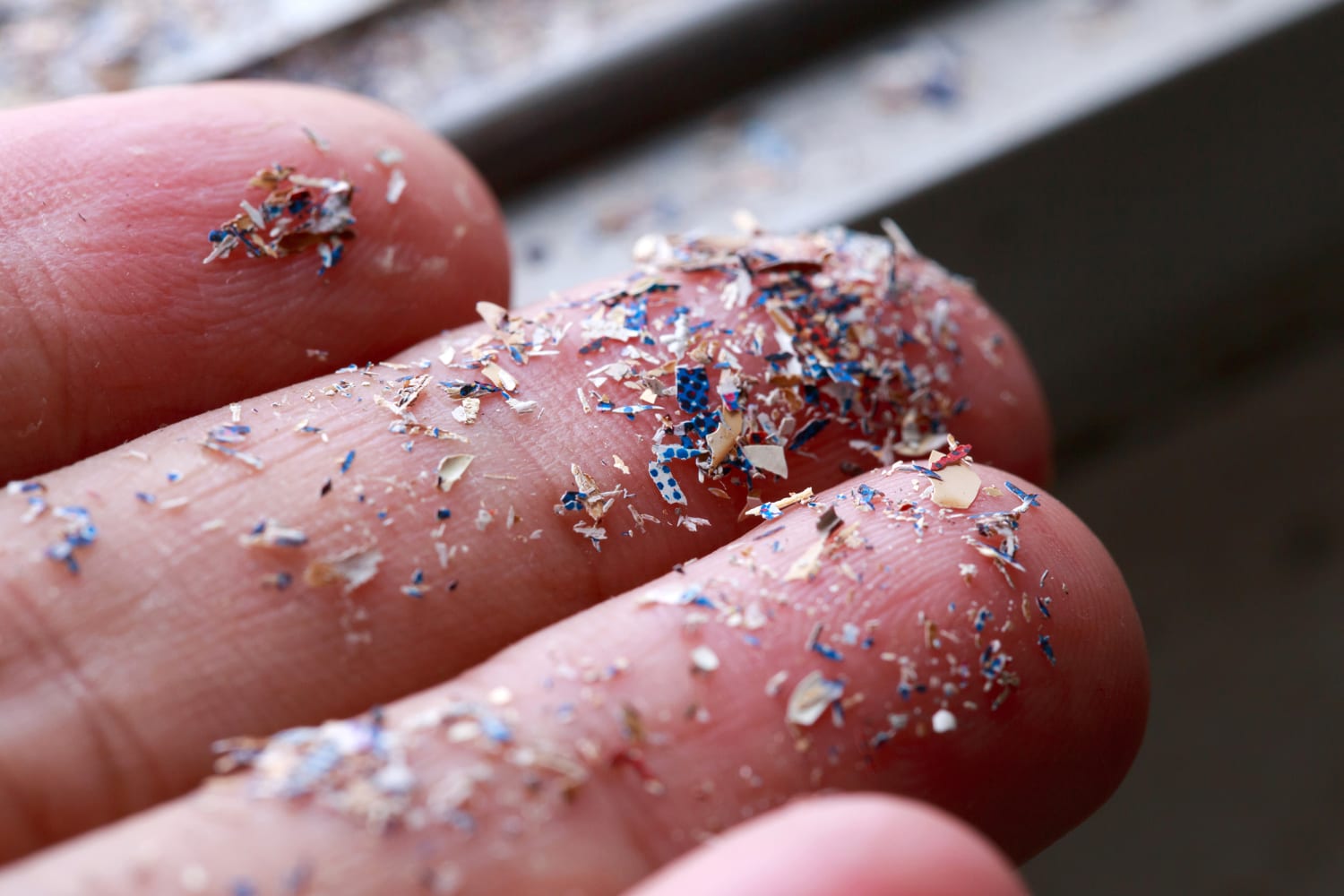
Microplastics crossed from environmental story to human-health story in 2025. They have been detected in blood, lungs, placentas, and even brain tissue, prompting a 2026 shift from awareness to action.
Key Takeaways
- Microplastics are confirmed in human blood, lungs, and placenta (Global Wellness Summit, 2026).
- Early research links exposure to inflammation and hormonal disruption.
- Simple swaps, not expensive kits, move the needle most.
How Did Microplastics Get Into Us?
Plastic sheds tiny fragments through heat, abrasion, and time (environmental health research, 2025). We inhale them from air, ingest them via food and water, and absorb some through skin contact.
What Harm Is Actually Shown?
Early studies link microplastic load to inflammation, hormonal disruption, and cardiovascular concern (Global Wellness Summit, 2025). Causation in humans is still being mapped, so the honest answer is: probable risk, not proven disease. See our healthy home environments hub.
Citation capsule: The 2026 Global Wellness Summit report states microplastics have been detected in human blood, lungs, and placenta, with early research linking exposure to inflammation and hormonal disruption.
What Can You Realistically Do?
Cut heating of food in plastic, filter drinking water, and favor glass or steel storage (public health guidance, 2025). "Detox" kits are unproven; reducing intake at the source works better.
Frequently Asked Questions
Do water filters remove microplastics?
Many pitchers and reverse-osmosis systems reduce them, though effectiveness varies by pore size (environmental health labs, 2025).
Are microplastics in bottled water?
Yes, multiple studies found particles in bottled water at higher rates than tap in some tests (research reviews, 2025).
Can the body clear microplastics?
The body clears some via digestion and immune action, but accumulation is the concern (toxicology research, 2025).
Conclusion
Microplastics in the body are real, and the research is young. Focus on source reduction, not costly cleanses, and stay tuned as 2026 evidence matures.
Related in Healthy Home Environments
More from the same topic to keep reading.
Also tagged microplastics & environment
Cross-topic reads sharing key terms with this article.