
Why Does Birth Control Mess With Your Mood, and Is There a Version That Won't?
Mood swings on the pill are real and common. Here is what 2025-2026 evidence says about the cause and how to find a fit that works.
Medically reviewed by Dr. Helena Vasquez, MD
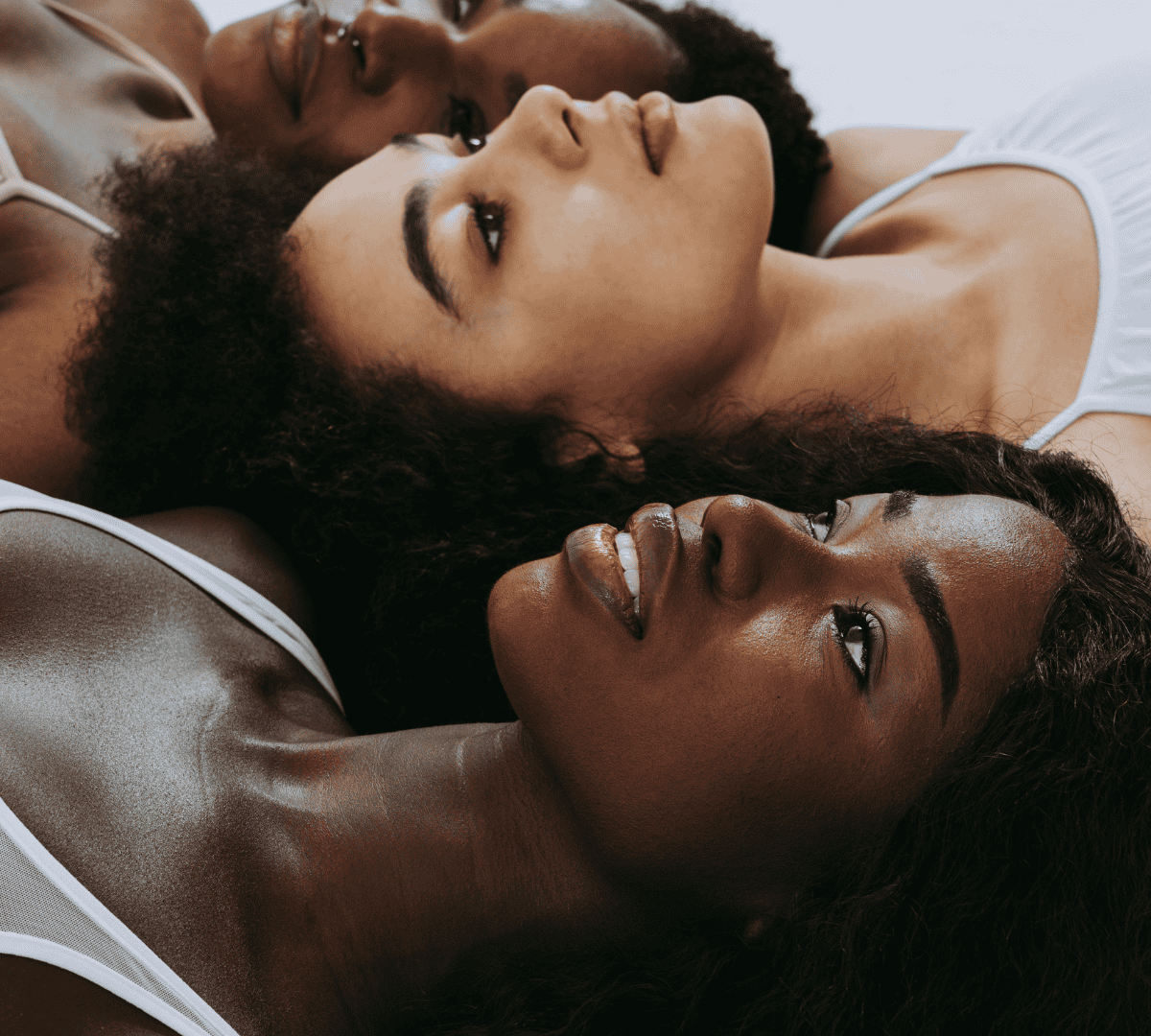
"Is the pill making me crazy, or is it just me?" is one of the most repeated questions in women's health forums. People blame themselves and quit, then face worse symptoms or unplanned pregnancy.
Key Takeaways
- Hormonal contraceptives can affect mood in a subset of users, especially in the first three months (women's-health research, 2025).
- Progestin type and dose matter more than "hormones in general."
- Tracking symptoms and a clinician review beat silent suffering or abrupt stops.
Why Does the Pill Affect Your Mood?
In 2026, research links mood changes to how a given formulation shifts estrogen and progestin, which interact with brain chemistry (women's-health research, 2025). Not everyone reacts, and the first 90 days are when most adjustment happens.
Is It the Hormones or Just Life?
Both can coincide, but a clear pattern tied to start date points to the method (clinical guidance, 2025). See our perimenopause mood guide for hormone-linked shifts later in life.
Citation capsule: Women's-health research reports that a minority of contraceptive users experience mood changes, most often in the initial three months, with certain progestin types more frequently associated with low mood than others.
What Actually Helps You Find a Fit?
Track mood daily for a cycle, then review options with a clinician (clinical guidance, 2025). Lower-dose or different-progestin formulations, or non-hormonal methods, resolve it for many.
When Should You Stop or Switch?
Persistent low mood, anxiety, or suicidal thoughts need prompt review (drug-safety guidance, 2025). Don't white-knuckle it; a better-fit method usually exists.
Frequently Asked Questions
Does the pill cause depression?
For some users, yes, particularly early on; risk varies by formulation (women's-health research, 2025).
Is a non-hormonal option better for mood?
Often, for those sensitive to hormones; it removes the hormonal variable (clinical guidance, 2025).
Will mood return to normal after stopping?
Usually within a cycle or two once hormones clear (drug-safety guidance, 2025).
Conclusion
Mood changes on birth control are real, not imaginary. Track the pattern, talk to a clinician, and switch rather than suffer. The right method protects both your mental health and your plan.
Cluster: This article belongs to our women's health and longevity cluster. For the broad overview, see our women's longevity hub. For related topics, explore perimenopause and heart risk, clearing brain fog, estrogen risk and benefit, HRT first-week reactions, menopausal weight gain, and waking at 3am in perimenopause.
Related in Women's Health & Longevity
More from the same topic to keep reading.
Why Your Estradiol Patch Suddenly Stopped Working — the 2026 Shortage and the Brand-Switch Trap
Women's Health & Longevity · 7 min read
Why Americans Are Flying to Greece and Spain for Half-Price IVF in 2026
Women's Health & Longevity · 8 min read
Why Dry Eyes Are the Perimenopause Symptom Nobody Told You About
Women's Health & Longevity · 8 min read
Also tagged birth-control & mood
Cross-topic reads sharing key terms with this article.