
Why Does Estrogen Divide Women in Perimenopause, and Is It Worth the Risk?
Is estrogen worth it in perimenopause? Here is what 2025-2026 evidence says about benefits, risks, and who should pause.
Medically reviewed by Dr. Helena Vasquez, MD
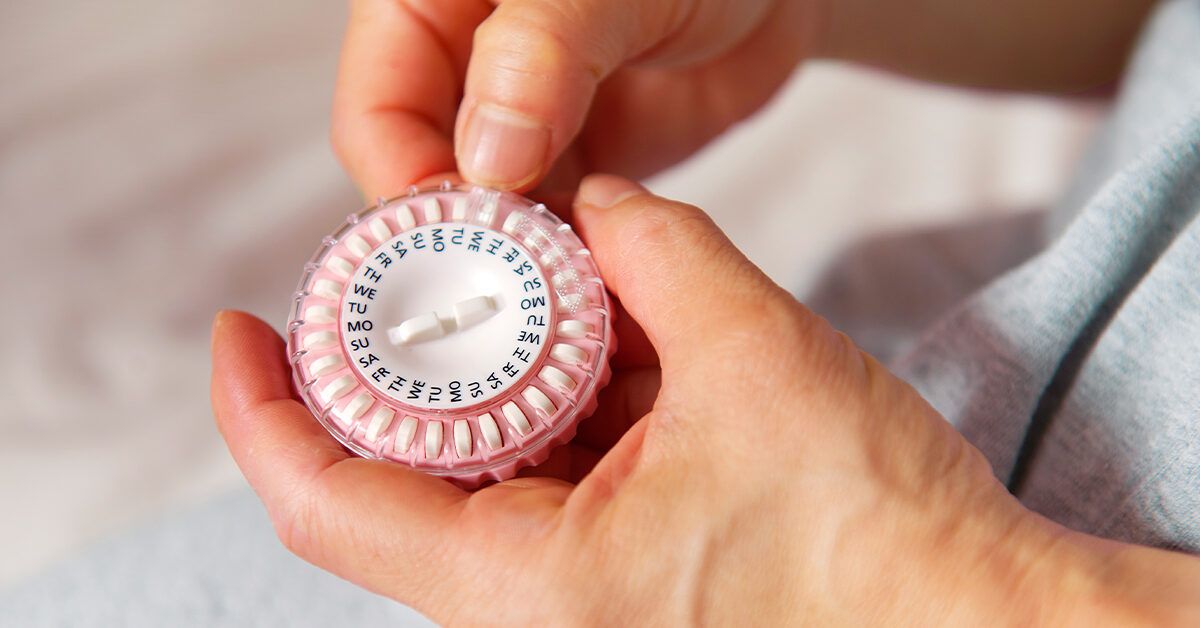
"Estrogen causes more problems than it solves in perimenopause" is a phrase repeated in forums. People are confused about whether to start, wait, or refuse hormone therapy entirely.
Key Takeaways
- Hormone therapy eases hot flashes, night sweats, and vaginal symptoms for most healthy women under 60 (Harvard Health, 2025).
- It is not advised for those with a history of breast cancer, stroke, or heart disease.
- Perimenopausal estrogen levels swing, so timing and formulation matter.
What Does Estrogen Actually Do in Perimenopause?
In 2026, clinicians describe estrogen as the hormone that steadies temperature, mood, and vaginal tissue, all of which fray as levels drop (Harvard Health, 2025). That is why the same woman can feel fine one week and unwell the next.
Is Estrogen "More Problems Than It Solves"?
For most healthy women near the transition, benefits outweigh risks when started under 60 (women's-health guidance, 2025). The "more problems" view often ignores individualized dosing and the difference between peri swings and steady post-menopausal therapy. See our perimenopause cardiovascular risk guide.
Citation capsule: Harvard Health states hormone replacement therapy combines estrogen and progestin and can relieve hot flashes, night sweats, vaginal dryness, and mood changes, but is not recommended for women with a history of breast cancer, heart disease, or stroke.
Who Should Be Cautious or Avoid It?
A personal history of breast cancer, stroke, or clots changes the calculus (clinical guidance, 2025). Transdermal estrogen carries a lower clot risk than pills, and topical vaginal estrogen treats local symptoms with minimal absorption.
How Do You Decide What's Right?
Track symptoms, discuss your history, and review benefits versus risks with a clinician (women's-health research, 2025). Reassess yearly; needs shift as you move toward menopause.
Frequently Asked Questions
Can blood tests diagnose perimenopause?
Usually no; clinical symptoms guide the call because hormone levels fluctuate daily (Harvard Health, 2025).
Is topical vaginal estrogen safe?
Yes, for local symptoms, with very low systemic absorption (clinical guidance, 2025).
Does estrogen cause weight gain?
Not directly; sleep and metabolism shifts around the transition matter more (women's-health research, 2025).
Conclusion
Estrogen is not a trap or a cure-all. For many healthy women it restores quality of life; for some it is wrong. Decide with your history and a clinician, and revisit the plan yearly.
Cluster: This article belongs to our women's health and longevity cluster. For the broad overview, see our women's longevity hub. For related topics, explore perimenopause and heart risk, clearing brain fog, birth control and mood, HRT first-week reactions, menopausal weight gain, and waking at 3am in perimenopause.
Related in Women's Health & Longevity
More from the same topic to keep reading.
Why Your Estradiol Patch Suddenly Stopped Working — the 2026 Shortage and the Brand-Switch Trap
Women's Health & Longevity · 7 min read
Why Americans Are Flying to Greece and Spain for Half-Price IVF in 2026
Women's Health & Longevity · 8 min read
Why Dry Eyes Are the Perimenopause Symptom Nobody Told You About
Women's Health & Longevity · 8 min read
Also tagged perimenopause & estrogen
Cross-topic reads sharing key terms with this article.