
Can You Reverse Prediabetes Without Ozempic, and What Actually Works in 2026?
Prediabetes affects roughly 96 million U.S. adults, but GLP-1s are not the only answer. Here is what 2025-2026 evidence says about lifestyle, metformin, and when drugs fit.
Medically reviewed by Dr. Helena Voss, PharmD
Prediabetes is a warning sign, not a life sentence. Roughly 96 million U.S. adults—about one in three—have blood sugar above normal but below the diabetes threshold (CDC, 2025). Most are told to eat better and exercise, then left to figure out the specifics alone.
Key Definition: Prediabetes is a reversible metabolic state where blood glucose is elevated above normal ranges but below diabetic thresholds, typically defined as A1C 5.7–6.4%, fasting glucose 100–125 mg/dL, or impaired glucose tolerance on oral testing (ADA, 2025).
Key Stat: The Diabetes Prevention Program (DPP) found that 5–10% weight loss plus 150 minutes of weekly moderate exercise cut diabetes risk by 58% over three years (NIH/DPP Research Group).
What Does Prediabetes Actually Mean for Your Body?
Prediabetes is not "pre-disease." It is a state where insulin resistance is raising glucose enough to cause damage, but not enough to trigger drug therapy by default. The pancreas is still working, but it is running overtime.
In 2026, the American Diabetes Association emphasizes two windows for intervention: the lifestyle window (first-line for most) and the medication window (when lifestyle is insufficient or BMI is high). See our GLP-1 medications 2026 guide for why GLP-1s are not FDA-approved for prediabetes despite their metabolic effects.
Can Lifestyle Changes Alone Reverse Prediabetes?
Yes, and the evidence is specific. The DPP showed that a 5–10% weight loss combined with 150 minutes of moderate activity per week reduced diabetes incidence by 58% in high-risk adults—better than metformin, which came in at 31% (NIH/DPP Research Group). The effect lasted years in follow-up.
Practical targets:
- Weight: 5–10% of body weight if BMI ≥25
- Activity: 150 minutes/week moderate (brisk walking counts)
- Diet: Mediterranean or DASH-style patterns beat low-fat dogma for glucose
- Sleep: 7–9 hours; short sleep worsens insulin resistance independently of weight (Sleep Foundation, 2025)
- Stress: Cortisol spikes glucose; consistent rhythm matters as much as calorie cuts
See our sleep and metabolism guide for why rest is a metabolic lever.
How Much Weight Loss Actually Moves the Needle?
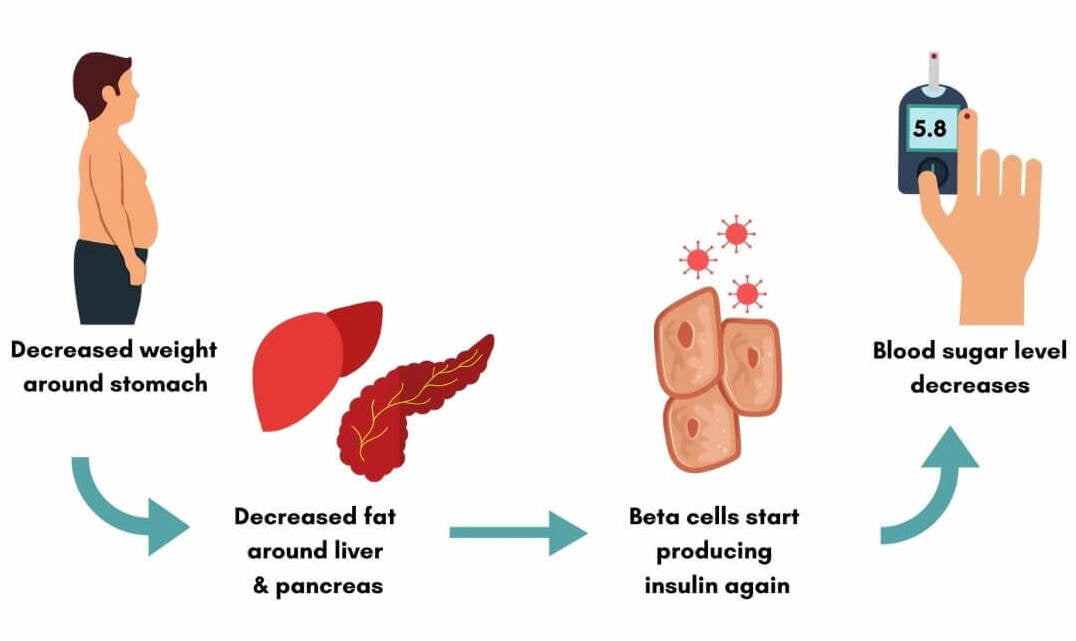
The DPP used 5–10% as the target, and that range remains the evidence base in 2026. For a 200-pound person, that is 10–20 pounds. The mechanism is not magic; it is reduced liver fat and improved muscle insulin sensitivity.
Muscle matters here. A pound of muscle at rest burns more glucose than a pound of fat. Resistance training two to three times weekly amplifies the effect of weight loss on insulin sensitivity. See our strength training for seniors guide for a practical starting template that works at any age.
What Role Does Metformin Play in Prediabetes?
Metformin is the most studied medication for prediabetes, and the DPP showed a 31% risk reduction. In 2026, ADA guidance extends metformin to younger adults with BMI ≥35 and those with worsening glucose despite lifestyle. It is not a first-line lifestyle replacement; it is a bridge.
Common concerns:
- GI side effects: Start low (500 mg), take with food, and titrate slowly
- B12 absorption: Long-term use can lower levels; check annually
- Kidney function: Requires monitoring; eGFR must be adequate
- Not a shortcut: Metformin plus lifestyle outperforms metformin alone
Ask your clinician whether metformin fits your trajectory. A pharmacist interaction call can catch timing and dosing gaps before they derail adherence.
Are GLP-1 Drugs the Answer for Prediabetes?
GLP-1 receptor agonists like semaglutide and tirzepatide are transforming metabolic care, but they are not FDA-approved for prediabetes (ADA/FDA, 2025). The off-label use is common, and the data for diabetes prevention is promising, but insurance coverage for prediabetes alone is rare.
The realistic 2026 picture:
- Ozempic/Wegovy: Approved for diabetes and obesity, respectively
- Prediabetes use: Off-label; coverage unlikely without diabetes diagnosis
- Evidence: GLP-1s reduce progression, but lifestyle still wins on cost and accessibility
- Best fit: People with BMI ≥30 or ≥27 with complications who cannot control glucose with metformin and lifestyle
See our full GLP-1 comparison guide for semaglutide versus tirzepatide and what the 2026 evidence shows.
What Supplements Actually Help Insulin Resistance?
The supplement aisle is full of claims. Here is what the 2025–2026 evidence supports:
- Berberine: Mimics metformin's AMPK activation; modest A1C reductions in small trials (meta-analysis, 2025). Not a metformin replacement but has evidence.
- Alpha-lipoic acid: Antioxidant with limited data on insulin sensitivity; more evidence for neuropathy
- Magnesium: Deficiency worsens insulin resistance; repletion helps if levels are low (NIH, 2025)
- Cinnamon: Studied widely, results mixed; not a reliable standalone intervention
See our supplements that pay off guide for the full evidence hierarchy.
How Do You Track Progress Without Obsessing Over Numbers?
Use a tiered monitoring plan:
- A1C: Every 3–6 months if actively changing lifestyle or starting metformin
- Fasting glucose: Home checks give trend data; one reading is noise
- Waist circumference: More sensitive to metabolic change than weight alone
- Energy and sleep: Subjective but real; poor sleep worsens resistance regardless of diet
The goal is not perfection. A1C dropping from 5.9% to 5.7% is movement. A1C rising from 5.7% to 6.1% is a signal to intensify lifestyle or discuss metformin with your clinician.
When Should You See a Doctor or Pharmacist?
Prediabetes does not always need a specialist, but it does need a plan. See a clinician if:
- A1C is rising despite lifestyle changes
- You have symptoms of diabetes (excessive thirst, frequent urination, blurred vision)
- You are considering metformin or GLP-1s
- You have questions about drug interactions with current medications
A pharmacist can review your current prescriptions for glucose-raising side effects and help you avoid interactions that worsen insulin resistance.
Frequently Asked Questions
Can prediabetes be reversed permanently?
Yes, but "permanently" means sustained lifestyle changes. The DPP follow-up showed benefits persisted as long as activity and weight were maintained. Relapse to sedentary behavior and weight regain restores risk.
Is metformin safe for long-term prediabetes use?
Metformin has a long safety record. The main concerns are GI tolerance, B12 depletion with years of use, and renal monitoring. Benefits generally outweigh risks for high-BMI or worsening-glucose cases.
Do low-carb diets reverse prediabetes?
Low-carb approaches can lower A1C quickly, but long-term adherence is the problem. Mediterranean and DASH patterns show better sustainability and equivalent glucose control in head-to-head trials.
Can supplements alone fix prediabetes?
No. Berberine and magnesium help only where a real deficiency or pathway gap exists. Supplements without diet, activity, and sleep changes waste money.
Should I test my blood sugar at home?
Fasting checks two to three times weekly build trend data. A single reading is less useful than the pattern. Pair with periodic A1C labs.
Conclusion
Prediabetes is a window, not a wall. Lifestyle—specifically 5–10% weight loss and 150 minutes of weekly activity—outperforms metformin in head-to-head trials and costs nothing. Metformin and GLP-1s have roles, but neither replaces the foundation. Protect your muscle, prioritize sleep, and track trends rather than single numbers. For the broader metabolic picture, see our guides on protein needs, zone 2 training, and sleep and metabolism.
Related in Preventative Health & Longevity
More from the same topic to keep reading.
Why Your Prostate Medication Stopped Working After Years, and What Comes Next in 2026
Preventative Health & Longevity · 8 min read
Why Medicare's $50 GLP-1 Program Won't Cover the Patients Who Need It Most
Preventative Health & Longevity · 8 min read
The Fatigue Your Standard Blood Test Misses: Iron Deficiency Without Anemia
Preventative Health & Longevity · 3 min read
Also tagged prediabetes & metabolic-health
Cross-topic reads sharing key terms with this article.